
Imagine stepping into a brand‑new shower that looks like it was poured straight from a designer’s sketch—no leaks, no gaps, just pure confidence.
Most homeowners in San Jose end up wrestling with cheap liners that peel away after a few showers, or they spend hours trying to coax a stubborn corner into place. The result? Frustration, extra cost, and a bathroom that never feels finished.
What the pros keep to themselves is a simple, repeatable process that turns a messy job into a clean, watertight seal every single time. It’s the kind of insider trick that makes the difference between a “good enough” remodel and a showroom‑ready masterpiece.
Ready to discover the exact steps that keep water where it belongs and save you a bundle on re‑work? Keep reading and you’ll see how the secret works in real‑world terms.
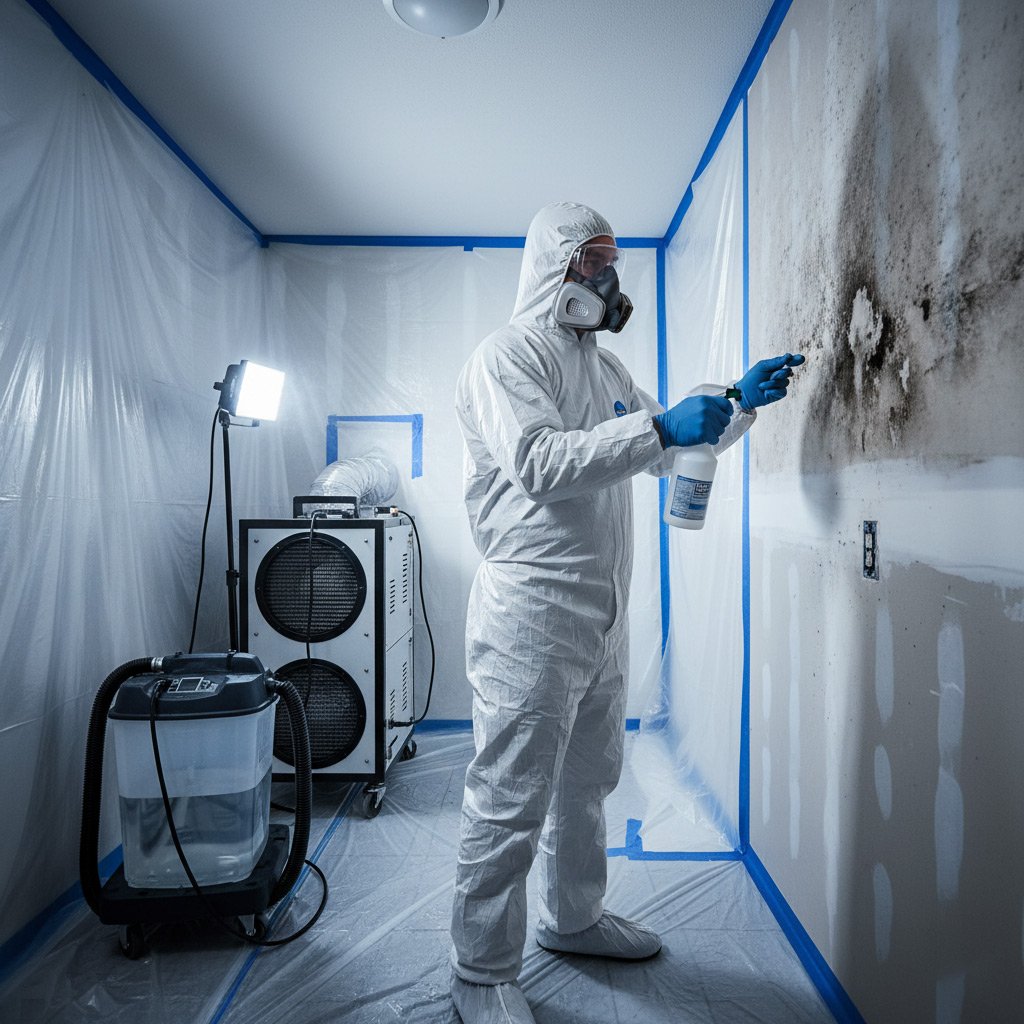
Choosing the Right Shower Liner Material for San Jose Homes
San Jose’s micro‑climate isn’t forgiving—hot summers, occasional rain, and hard water can chew through cheap liners faster than you’d think. Pick a material that laughs at mineral deposits and won’t warp when the bathroom heats up after a long shower. The right choice saves you from costly re‑tiles and endless sealant touch‑ups.
PVC (Polyvinyl Chloride)
PVC is the workhorse of the industry. It’s lightweight, easy to cut, and resists most chemicals found in everyday cleaners. Pros:
- Budget‑friendly
- Simple DIY handling
- Good for standard tub‑shower combos
Cons:
- Can become brittle in extreme heat
- Not the best for high‑traffic luxury baths
CPE (Chlorinated Polyethylene)
CPE steps up the game with extra durability. It stays flexible even when the temperature swings, making it a favorite for custom‑shaped showers. It’s the go‑to when you need a liner that won’t crack at the corners.
Acrylic & Fiberglass Reinforced Panels
If you crave a high‑end look without the stone price tag, acrylic or FRP panels deliver a sleek finish and superior water resistance. They’re heavier, so you’ll need a solid substrate, but the payoff is a liner that feels like a spa‑grade surface. Ideal for upscale remodels where aesthetics matter as much as function.
Pre‑Installation Prep: Accurate Measurements, Surface Cleaning, and Waterproofing
Measure Twice, Cut Once
Start by laying a tape on the floor and marking the exact length and width of the shower floor and walls. Write down every number before you even think about cutting the liner.
Next, use a level to confirm that the walls are truly plumb; a half‑inch tilt can ruin a perfect seal.
- Record floor length, width, and depth.
- Note wall height at front, back, and side.
- Double‑check corners for any irregularities.
Scrub, Dry, Inspect
All surfaces must be spotless. A quick swipe with a citrus‑based cleaner removes soap scum, grout haze, and dust.
After cleaning, let the area air‑dry completely—any moisture will trap air bubbles under the liner.
- Wipe down with a lint‑free cloth.
- Inspect for cracks or loose tiles; repair before you proceed.
- Use a vacuum to pull out hidden debris.
Seal the Deal
Waterproofing is the safety net that keeps future leaks at bay. Apply a thin, even coat of a high‑quality cementitious membrane.
While the membrane is still tacky, press a primer‑compatible sealant into seams and corners.
- Choose a membrane rated for high‑traffic showers.
- Follow the manufacturer’s drying time—usually 30 minutes.
- Test the surface with a water droplet; it should bead and roll off.
The Proven Step‑by‑Step Installation Process: Cutting, Fitting, and Sealing
Cutting the Liner to Size
Start with a clean, dry wallboard. Lay the liner flat, then trace the shower’s outline with a utility knife.
- Leave a ¼‑inch overhang on every side – it gives you wiggle room.
- Use a straight edge for crisp cuts; a jagged edge invites leaks.
- Score deeply, then snap. A clean break saves you time later.
Fitting the Liner Perfectly
Slide the cut piece into the tub or shower base. Press gently to let the liner settle into corners.
- Check for gaps with a flashlight; any dark line means air is trapped.
- Trim excess with a razor blade – don’t force it, let the material breathe.
- For curvy niches, use a heat gun on low for a few seconds; the liner becomes pliable and hugs the shape.
Sealing for a Watertight Finish
Apply a high‑quality, silicone‑based sealant along every seam. Work quickly; the sealant sets fast.
- Run a bead about ⅛‑inch wide, then smooth with a wet finger or a sealant tool.
- Pay extra attention to corners – a double‑layer of sealant prevents future cracks.
- Let it cure 24 hours before the first shower; patience pays off.
Troubleshooting Common Pitfalls: Leaks, Gaps, and Corner Issues
Spotting Leaks Before They Spread
Even a tiny drip can turn a pristine shower into a soggy nightmare. The usual suspects are missed seams, loose adhesive, or a liner that wasn’t pressed firmly into the flange.
- Run a dry towel along the wall after the first shower; any damp spot means a leak.
- Check the grout line for water pooling – it’s a red flag that the liner isn’t sealed.
- Use a flashlight to hunt for bubbles in the liner; they reveal air pockets that become leaks.
Closing Gaps That Won’t Quit
Gaps appear when the liner is cut too short or when the wall isn’t perfectly flat. The cure is a combination of precision cuts and a reliable sealant.
- Trim the liner with a utility knife, then sand the edge for a clean bite.
- Apply a thin, even bead of 100% silicone; too much creates ridges, too little leaves holes.
- Press a self‑adhesive backer rod into any wide gaps before sealing.
Corner Mastery: No More Loose Edges
Corners are the Achilles’ heel of any shower liner job. If the liner lifts at a 90‑degree turn, water will find its way behind the wall.
- Install a metal or PVC corner bead first; it gives the liner something solid to cling to.
- Use a high‑temperature silicone that stays flexible after curing.
- Run a wet‑finger test: run your finger along the seam; if you feel resistance, you’ve got a good seal.
Pro‑Grade Tools and Products That Guarantee a Watertight Seal
When you skip the right gear, you’re gambling with water. The cheap stuff bends, tears, and leaves micro‑gaps that turn a fresh shower into a leak‑factory. Invest in the tools the pros swear by, and the job practically installs itself.
Must‑Have Hand Tools
- Heavy‑duty utility knife with a fresh, razor‑sharp blade – it cuts PVC cleanly, no ragged edges.
- Stainless‑steel shower liner cutter – the angled blade follows curves without crushing the material.
- Adjustable c-clamp set – holds the liner tight while the adhesive cures.
- Silicone‑free plastic scraper – removes old caulk without gouging the tub.
These tools keep the liner flat and snug. No wobble, no stress points. That’s the foundation of a leak‑free install.
Sealants and Adhesives That Actually Stick
- 100% silicone marine sealant – stays flexible, resists mold, and bonds to tile, fiberglass, and PVC.
- Two‑part epoxy waterproofing membrane – perfect for high‑traffic corners where silicone alone can pull away.
- Polyurethane construction adhesive – fills gaps and creates a rigid seal that won’t shrink.
Apply a thin bead, smooth it with a wet finger, and let it cure fully before the first shower. The result? A liner that behaves like a single piece of glass, no water sneaking out.
Case Study: Seamless Shower Liner Installation in a San Jose Remodel
The Project Snapshot
When the Martinez family decided to upgrade their 1998‑era bathroom, they wanted a shower that could survive the daily grind of a busy household without a single leak. Their existing vinyl liner had split at the corners, forcing them to patch it every few months. Our goal was to replace it with a custom‑cut, high‑density PVC liner that would sit flush against the walls and stay put for years.
Execution – From Prep to Finish
We began by removing the old liner, then scrubbed the substrate with a trisodium phosphate solution to eliminate soap scum and mildew. After the surface dried, we applied a thin coat of cementitious waterproofing membrane, letting it cure for 24 hours. The new liner was then measured, cut with a utility knife, and gently pressed into place.
- Tool of the trade: 12‑inch heavy‑duty utility knife for clean cuts.
- Sealant: 100% silicone caulk designed for high‑moisture areas.
- Finishing touch: a smooth‑roller to press the caulk into seams.
Every joint received a bead of silicone, then we used a plastic spatula to smooth it out, ensuring no air pockets. The corners—often the trouble spots—were reinforced with a pre‑molded corner seal that snapped onto the liner, eliminating gaps.
Results & Takeaways
After a 48‑hour cure, the Martinez shower passed a water‑box test with zero seepage. They reported a noticeable reduction in humidity buildup, and the liner’s sleek finish earned compliments from friends. Key lesson: a meticulous prep phase plus the right sealant make the difference between a temporary fix and a lasting solution.
Final Words
Now that you’ve seen the exact process, the only thing left is to put it into action. Grab your tools, measure twice, and cut once—the mantra that separates a DIY disaster from a showroom‑ready shower.
Next Move
Before you swing the hammer, schedule a quick walkthrough with a local pro. A 30‑minute consult can spot hidden moisture, confirm the right liner thickness, and save you hours of guesswork.
Quick Checklist
- Verify the liner’s R‑value matches your climate zone.
- Seal every seam with a silicone‑based waterproofing tape.
- Test for leaks with a garden hose before the final grout.
- Document the install with photos for warranty claims.
Need more guidance? Dive deeper into the world of waterproofing by exploring our Shower Liners hub, where you’ll find product reviews, expert tips, and the latest tech that keeps San Jose bathrooms dry.
People Also Ask
What is the best shower liner material for San Jose’s climate?
A high‑density PVC or CPE liner is ideal because it resists moisture expansion and UV exposure common in California homes. These materials also offer superior durability against hard water stains.How do I accurately measure my shower before installing a liner?
Measure the width, length, and height of the tub or shower base, then add a ¼‑inch allowance for trimming. Double‑check corners and any built‑in niches to ensure a snug fit.Can I install a shower liner myself, or should I hire a professional?
DIY installation is possible with the right tools and careful preparation, but a professional guarantees a watertight seal and avoids costly leaks. For complex layouts or older homes, hiring an expert is recommended.What are the most common causes of leaks after a shower liner install?
Leaks usually stem from improper sealing at corners, missed seams, or inadequate waterproofing of the substrate. Using a high‑quality sealant and reinforcing corners eliminates most issues.Which tools are essential for a seamless shower liner installation?
A utility knife, straight edge, silicone sealant gun, and a waterproofing primer are must‑haves. A heat gun can also help smooth PVC liners for a tighter fit.
San Jose Bathroom Remodel specializes in comprehensive bathroom renovations, bringing over a decade of craftsmanship to homes across the city. Their team combines local knowledge with skilled trades to deliver functional and stylish spaces tailored to each homeowner’s vision.
Need Bathroom Remodel?
We transform San Jose bathrooms into sleek, functional spaces, delivering quality remodels on a rapid schedule (95112, 95113, 95120, 95123, 95126). Our focused process gets you enjoying your new bathroom faster than you expect.
Get Bathroom Quote